

easy/ accessible classics everyone should read
upcoming classics according to literary professors, critics and students

Literature has always been my greatest love. Whether it be classics or not, I spent my childhood with a book in hand, hoping that my attention to detail would allow me one day to excel in English. From being my third language to my main one, English has always been mine through its words on paper more than around the tongue.
As an adult entering the academic world, I felt most nervous of my own heritage being a deterrence to my progress. Not only was I speaking and writing in a language unlike my own, I was also studying texts written in a language neither connected to my mother or father.
It is around that time I discovered the “literary canon”, an exclusive benchmark for the high-culture works of art cherished most by the mostly-western, mostly-male, mostly-white world. I discovered that the hundreds of books recognised as being a part of this exclusive club are referred to as “classics”. Mostly complex, incomprehensible amalgamations of words and sentiments tied up by an author of the right stock.
It’s no wonder that many readers can find classics inaccessible. So, as someone who loves literature and has been looking for a way to share this love with the rest of you, this essay will consist of what I consider easy and accessible classics everyone should read. A fair warning, not all of these are established classics, as most of them are contemporary still. But in paying attentions to the words of many of my professors and critics who have agreed that one day they will be - I’m certain that this insider scoop will be of use to you.
This list consists of an all-women, mostly-of-colour list of authors and their works that I’ve been meditating with over the past few weeks, waiting to share with you all. I truly hope you will find a new favourite amongst these upcoming classics.
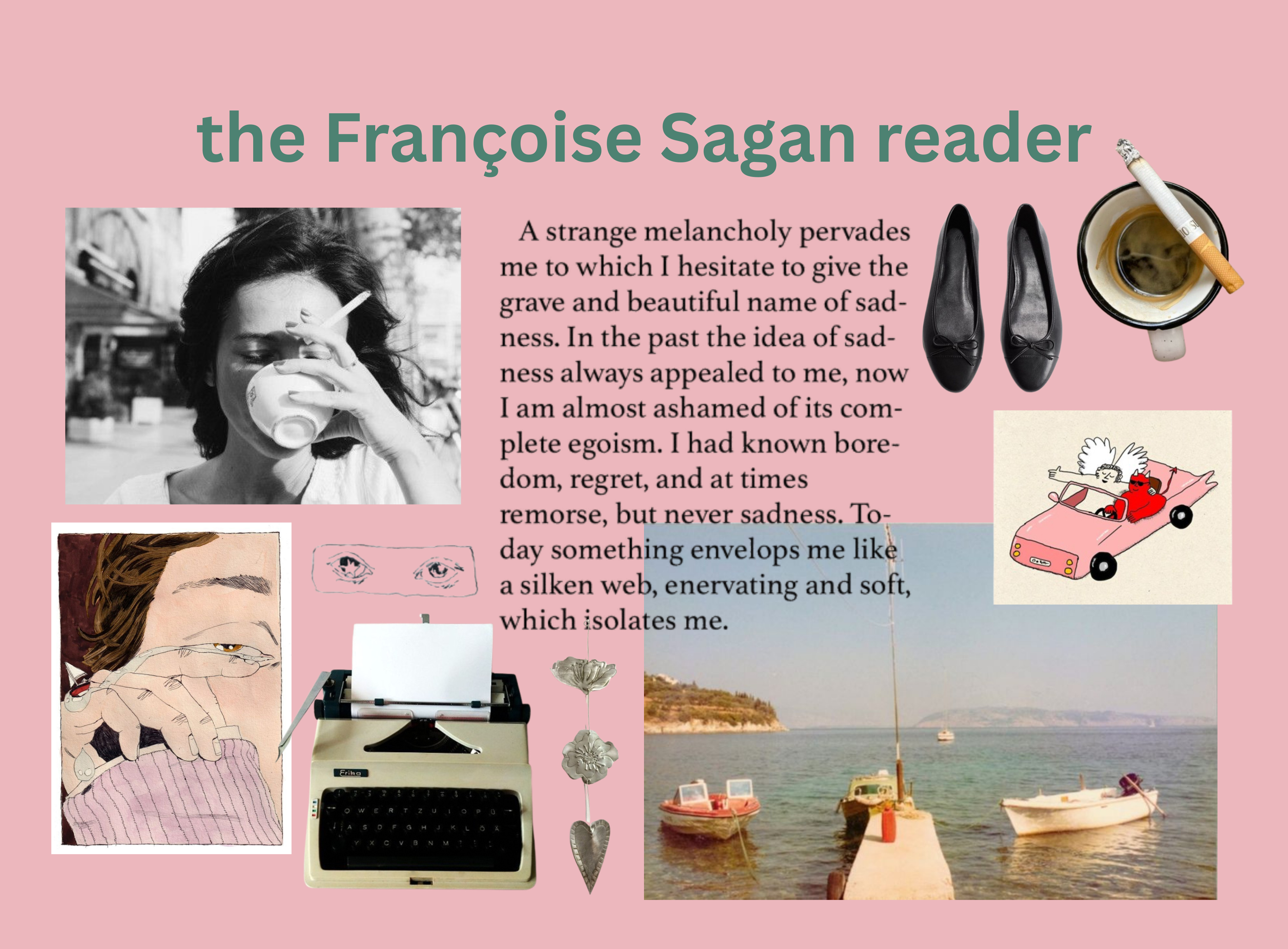
Bonjour Tristesse. Françoise Sagan, 1954. a bittersweet tale narrated by self-absorbed seventeen-year-old Cecile on the brink of adulthood, whose meddling in her father's love life leads to tragic consequences.
A Strange melancholy pervades me to which I hesitate to give the grave and beautiful name of sorrow. The idea of sorrow has always appealed to me but now I am almost ashamed of its complete egoism. I have known boredom, regret, and occasionally remorse, but never sorrow. Today it envelops me like a silken web, enervating and soft, and sets me apart from everybody else.
I first read Bonjour Tristesse as a teenager, when it was assigned to me in my French high school. It makes the list as it is perhaps the most impactful novel I read as a teenager. It made me first consider the influence literature can have on its readers after I spent an hour staring at a blank wall once I read the last chapter. As one of the only two more recognised classics in this list, I would recommend it to anyone looking for a short novel about complex relationships.
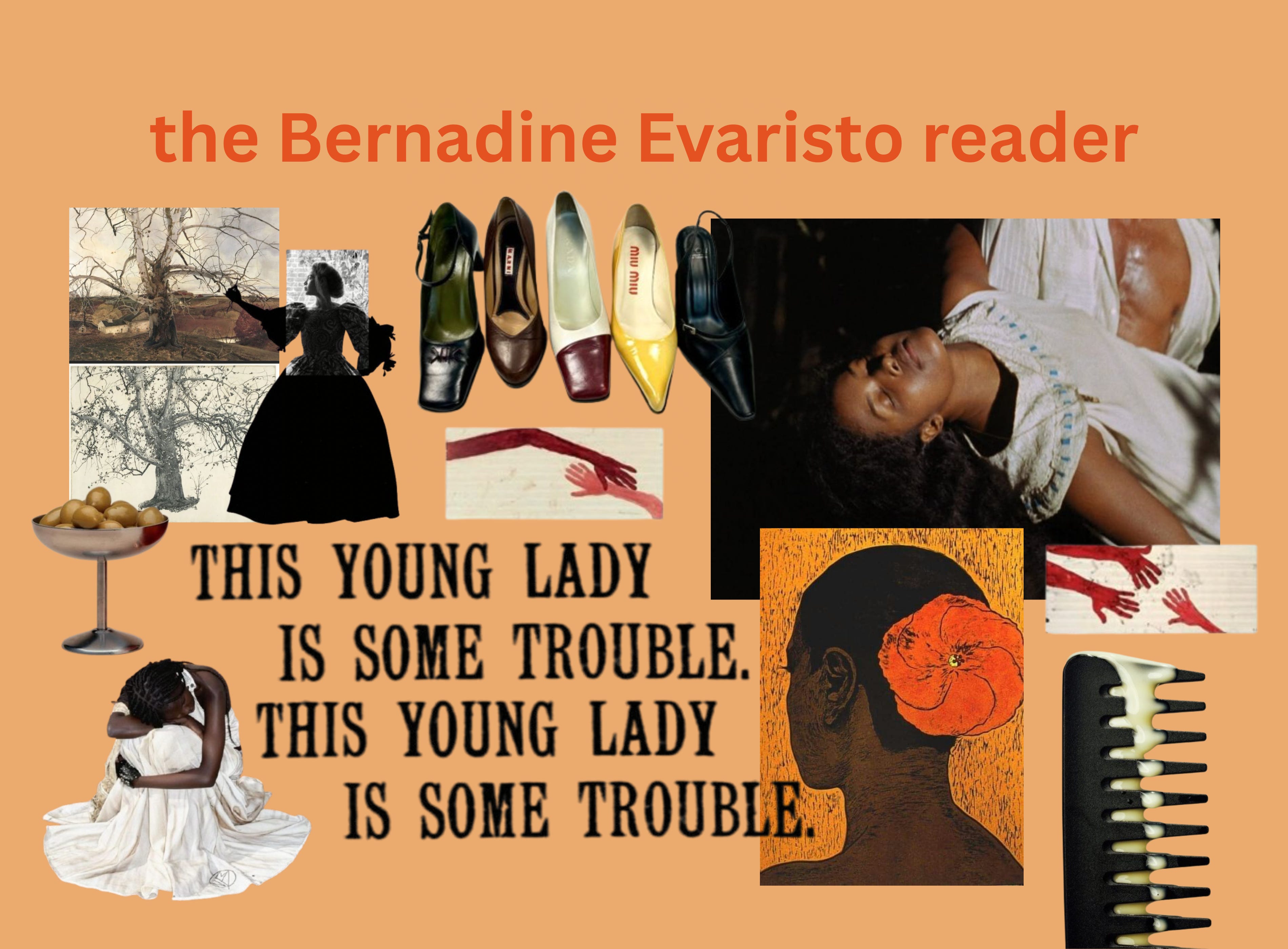
Girl, Woman, Other. Bernadine Evaristo, 2019. a dynamic contemporary novel following the lives and struggles of twelve mostly women, black and British characters, exposing the stories of their families, friends and lovers, across the country and through the years.
she was determined to dress Megan up for the approval of society at large, usually other females who commented on her looks from as early as she can remember
it was the defining aspect of Megan’s early childhood, she didn’t actually have to do or say anything except be cute – an end in itself
I first read Girl, Woman, Other during my bachelor’s degree in English and American Literature and Creative Writing. It makes the list as a soon-to-be classic as it breaks barriers of what a novel is meant to be, both in the form and the subjects. I would recommend it to anyone who takes the bell hooks approach to grammar.
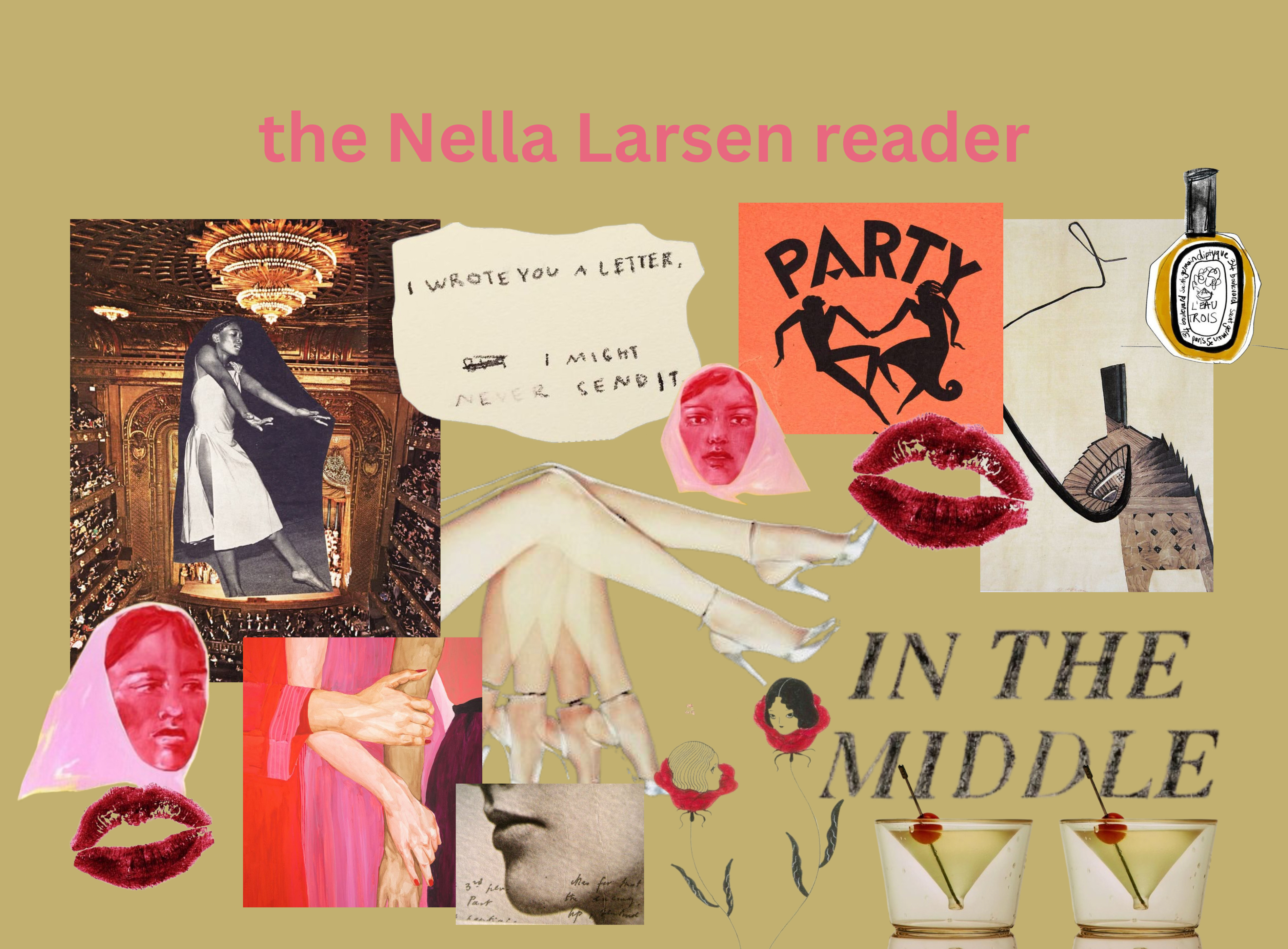
Passing. Nella Larsen, 1929. a complex novel which explores the connection between racial loyalty and identity through the reunion of two childhood friends - Clare Kendry and Irene Redfield- both racially passing as white in 1920s New York.
And yet she hadn't the air of a woman whose life had been touched by uncertainty or suffering. Pain, fear, and grief were things that left their mark on people. Even love, that exquisite torturing emotion, left its subtle traces on the countenance. (and) She isn't stupid. She's intelligent enough in a purely feminine way. Eighteenth-century France would have been a marvellous setting for her, or the old South if she hadn't made the mistake of being born a Negro.
I first read Passing in my first master’s degree in English and American studies, and then again in my second master’s degree. Perhaps the only text from a danish writer I have ever read for academic purposes, it makes the list for being a relatively comprehensible exploration to an incredibly complex aspect of American history, rarity for most writers from the Harlem Renaissance. I would recommend it to anyone interested in femme fatales and seductress-like characters.
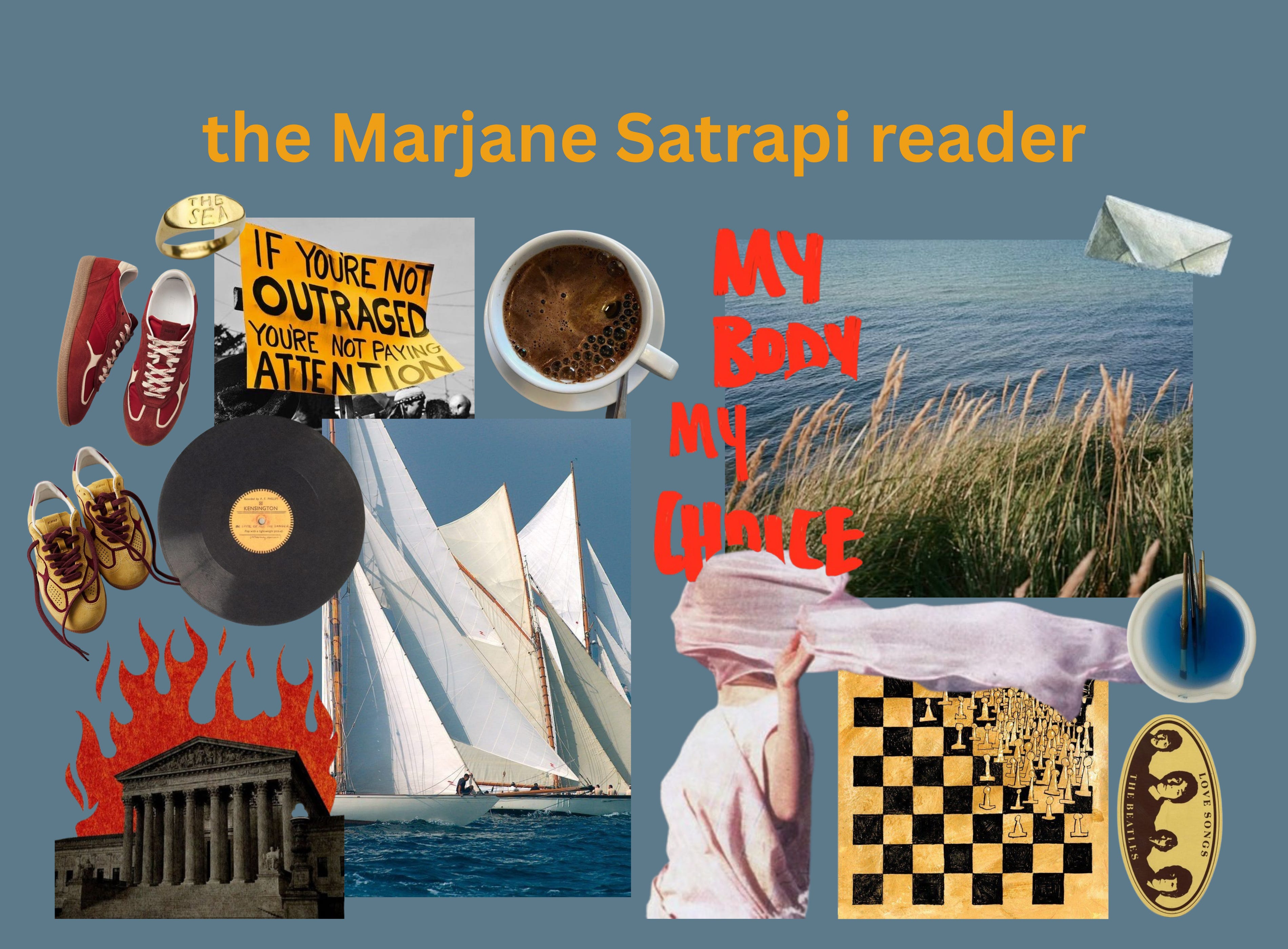
Persepolis. Marjane Satrapi, 2004. an emotional graphic memoir of a young girl growing up in Iran during the Islamic Revolution.
The Key to Paradise was for poor people. Thousands of young kids, promised a better life, exploded on the minefields with their keys around their necks. (and) In every religion, you find the same extremists.
I read Persepolis last year, in my auto-graphic novel course for my second master’s degree. It makes the list as one of the few auto-graphic biographies to reach the status of more conventional forms of literary texts. Not to mention the successful combination of wit and horror the author bounces to and back from. I would recommend it to anyone who enjoys graphic books and/or history.
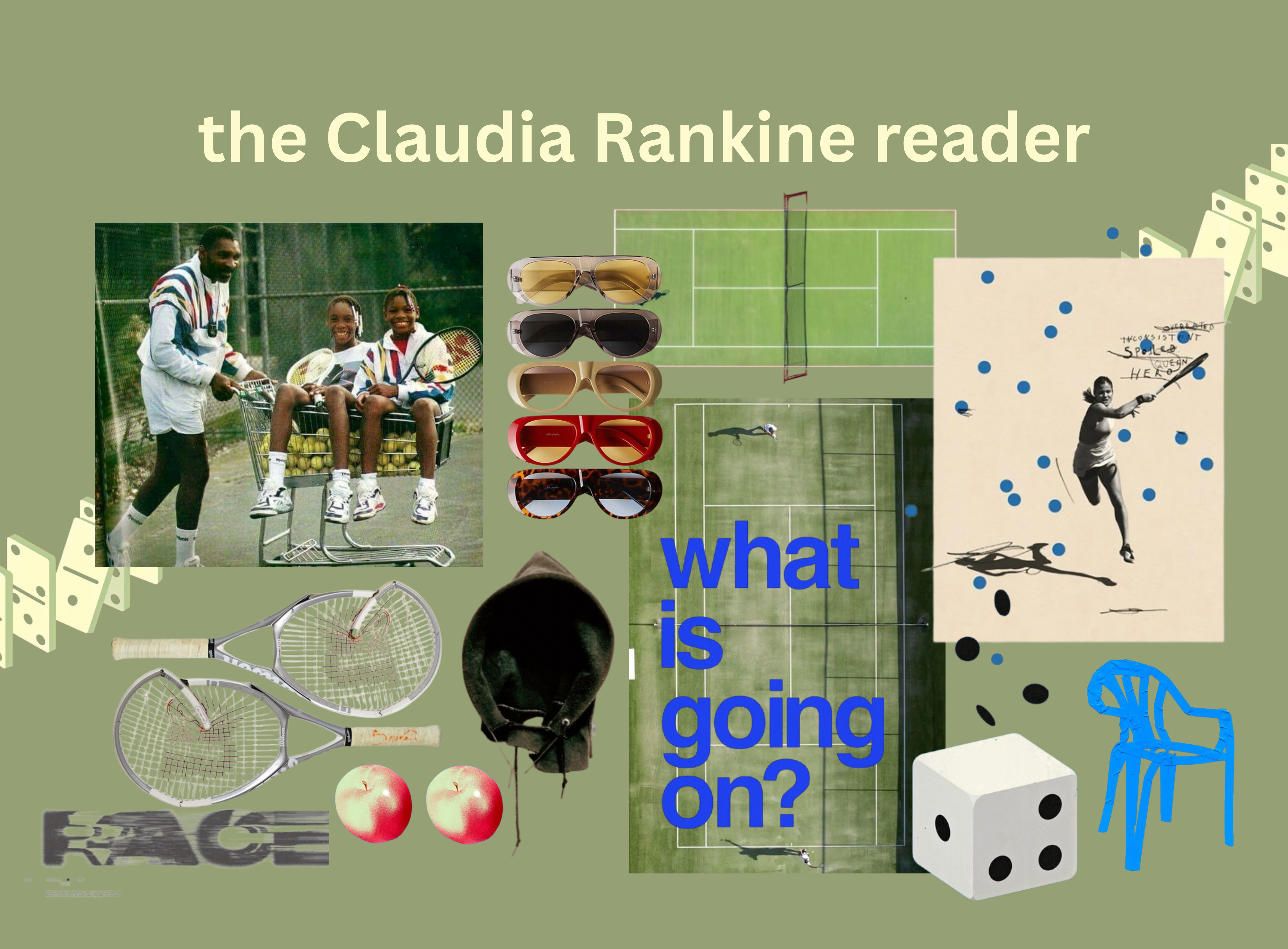
Citizen: An American Lyric. Claudia Rankine, 2014. a provocative meditation on race through a series of lyrical poetry, focusing on the racial aggressions in twenty-first-century daily life and in the media.
because white men can't
police their imagination
black men are dying
Citizen: An American Lyric joins the numerous texts I’ve read more than once throughout my academic studies. Similar to Persepolis, it is cherished by professors and critics for its exploration of complex issues through an unconventional form. I would recommend it to anyone interested in reading a passage at a time.
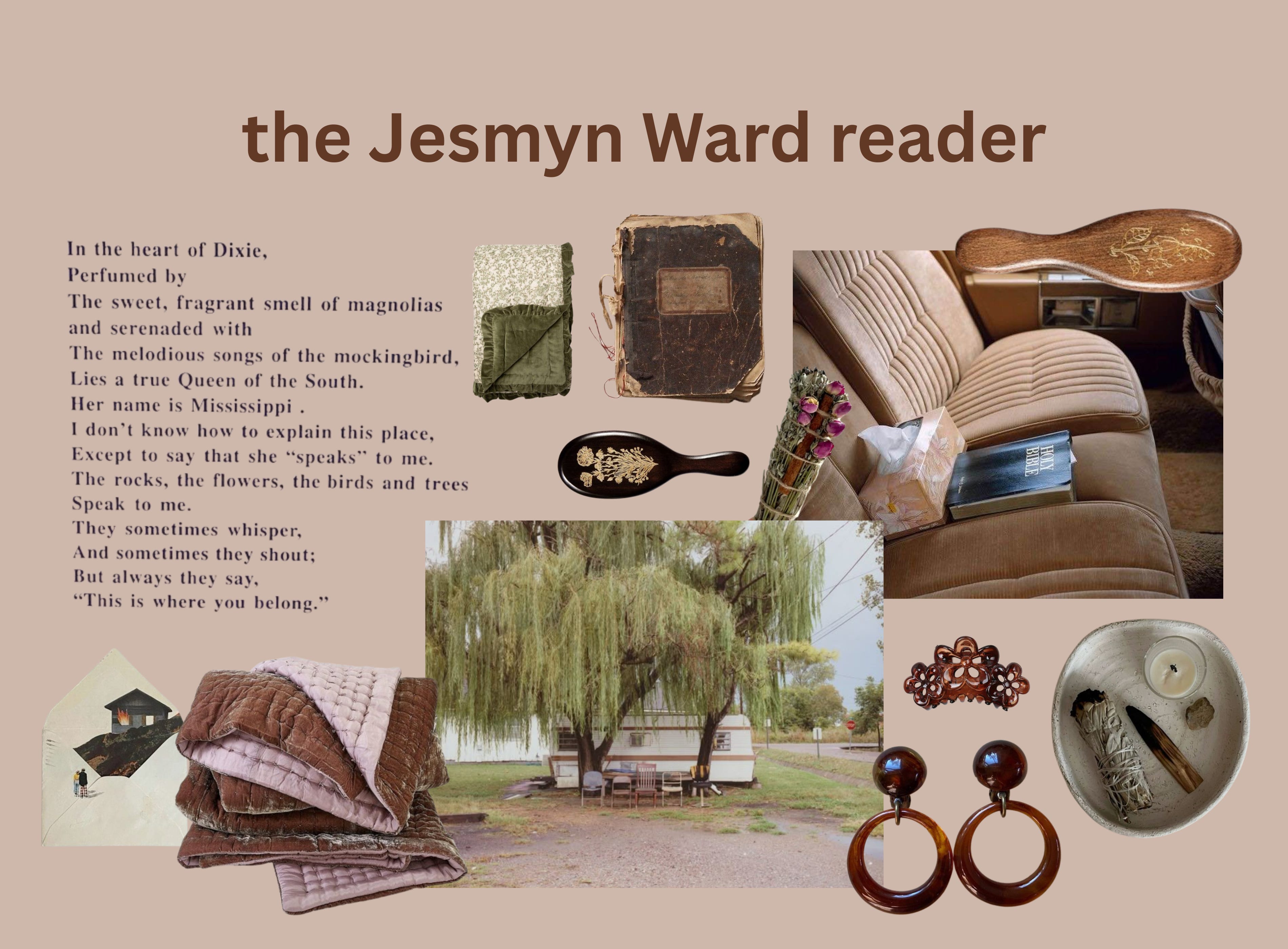
Men We Reaped. Jesmyn Ward, 2013. a heartbreaking memoir dedicated to the five men Ward lost throughout her life, exploring the relationship of racism, economic struggle and death through drug addiction, family breakage and relationship deterioration.
I knew the boys in my first novel, which I was writing at that time, weren't as raw as they could be, weren't *real.* I knew they were failing as characters because I wasn't pushing them to assume the reality that my real-life boys, Demond among them, experienced every day. I loved them too much: as an author, I was a benevolent God. I protected them from death, from drug addiction, from needlessly harsh sentences in jail for doing stupid, juvenile things like stealing four-wheel ATVs. All of the young Black men in my life, in my community, had been prey to these things in real life, and yet in the lives I imagined for them, I avoided the truth. I couldn't figure out how to love my characters less.
I read Men We Reaped for academic purposes, and re-read it for personal purposes. The entire novel superposes Ward’s own childhood memories and that of others through death. It makes the list as one of the most raw literary works I’ve ever read. I would recommend it for anyone interested in non-fiction, but also class/race relations.
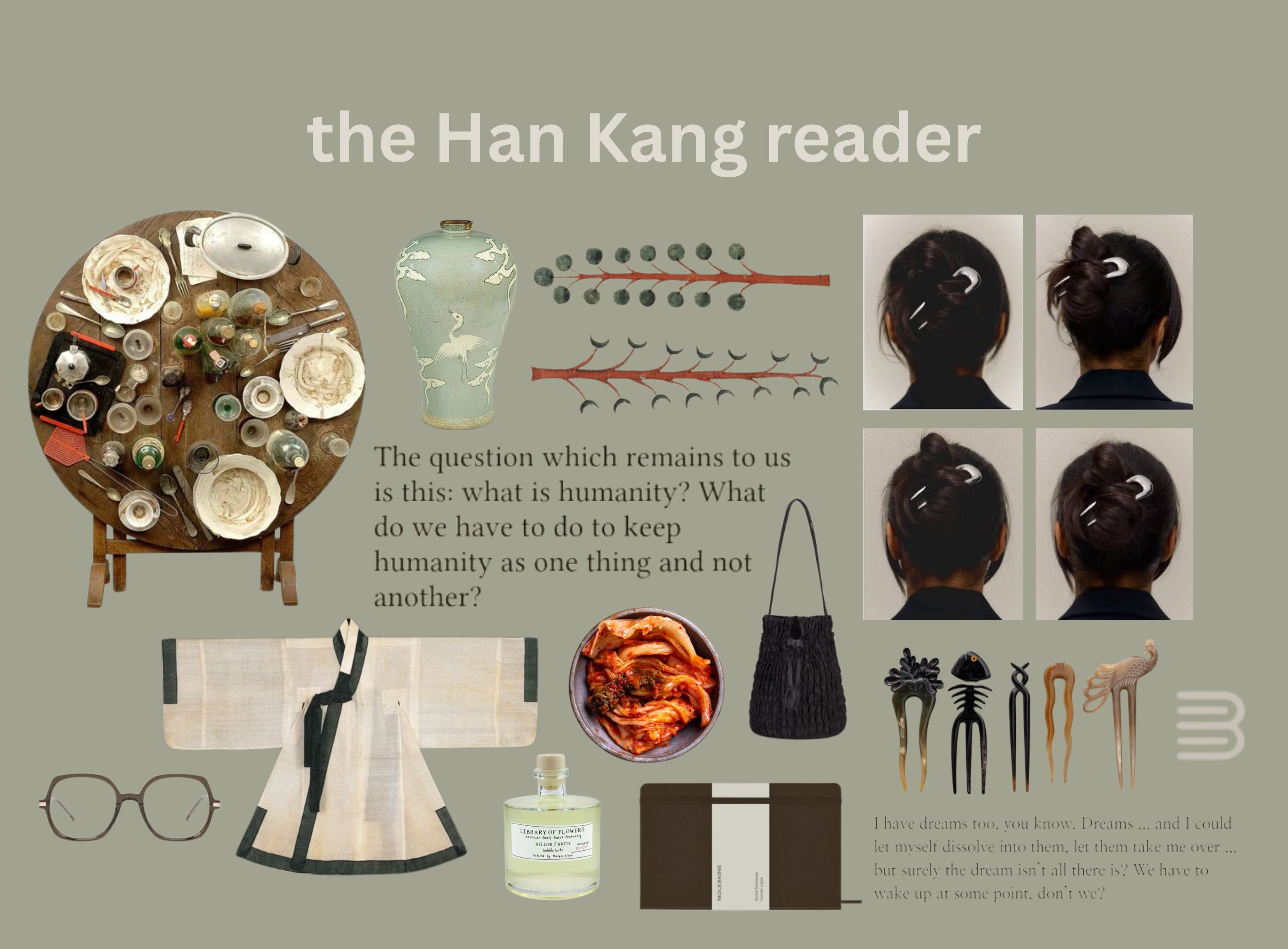
The White Book. Han Kang, 2016. a captivating, multilayered exploration of the colour white through a narrator grappling with her family’s tragedy. a discussion around the strength and fragility of the human spirit, and of the attempts to create new from memory and fantasy.
There are certain memories that remain inviolate to the ravages of time. And to those of suffering. It is not true that everything is colored by time and suffering. It is not true that they bring everything to ruin.
I read The White Book as I lived in South Korea for a summer university programme in 2018. While at the time only one of her books was recognised internationally, she has now just recently won the Nobel Prize in Literature, making her undeniably part of the grand literary canon. It makes the list as I find her ability to make an entire book for a single colour remarkable. I would recommend it to anyone interested in the mixture between poetry and prose.
If there’s anything I’ve missed, let everyone know in the comments!
Love,
Anastasia
Persepolis is a must read!!!! One of my favorite books of all time.